A business card is one of the few marketing tools that still works offline, face-to-face, and in the moment when people are deciding whether to remember you. The problem is that most business cards are forgettable, or worse, they feel cheap. At Davant Indy, we print custom business cards that help you make a clean first impression and give people an easy next step, whether that’s calling you, emailing you, or scanning a QR code to book or buy.
This guide breaks down the decisions that actually matter: size, paper stock, finish, and QR codes that scan without a struggle. If you’ve ever stared at print options and thought, “I just want something that looks good and feels like me,” you’re in the right place.
Choosing the Right Size
Size seems basic, but it sets the tone before someone even reads your name.
Standard Size: Simple, Familiar, Effective
The most common business card size in the U.S. is 3.5″ x 2″. It fits wallets, card holders, desk organizers, and typical display stands. If you meet a lot of people quickly—networking events, trade shows, community events—standard size removes friction.
Standard doesn’t mean boring. It means practical. You can still stand out through design, stock, and finish.
Square Cards and Slim Cards: When You Want a Visual Signature
Non-standard sizes can be memorable when they match your brand. A square card can feel modern and design-forward. A slim card can feel sleek and premium.
But here’s the trade-off: if it doesn’t fit where people store cards, it’s more likely to get lost. If you choose a specialty size, you want the design to do enough work to justify it, and you want the card sturdy enough to survive pockets and bags.
Folded Cards: When You Need Space Without Clutter
If you need more information—service menus, appointment instructions, quick “how to” steps—folded cards can be a smart move. They feel intentional, they offer more space, and they avoid the “tiny font panic” that ruins readability.
Picking a Paper Stock That Fits Your Brand
Stock is the part people feel. And people judge quality with their hands before their eyes finish reading.
Classic Smooth Cardstock: Clean and Professional
Smooth cardstock is a safe, polished choice for most industries. It takes color well and keeps text crisp. If your brand is clean, modern, minimal, or corporate-adjacent without being corporate, smooth stock is a strong baseline.
Uncoated Stock: Warm, Textured, and “Human”
Uncoated stock has a softer, more natural feel. It’s great for brands that want to feel approachable, creative, handcrafted, or personal. It also works well if you want people to be able to write on the card easily.
If you’re a service provider who relies on trust—home services, wellness, education, professional services—uncoated can feel grounded and genuine.
Thicker Stocks: The “Don’t Toss This” Effect
Thicker cards are one of the easiest ways to elevate perceived value. When someone holds a card that feels substantial, it reads as established. Not flashy. Just confident.
If you’re in a competitive field and you want your card to signal, “I take my work seriously,” a thicker stock is worth considering.
Finishes That Make the Difference
Finish impacts both the look and the performance. A beautiful card that smudges or glares under bright lights isn’t helping you.
Matte Finish: Modern, Clean, and Easy to Read
Matte is a favorite for a reason. It reduces glare, looks contemporary, and feels smooth without looking shiny. It also tends to photograph well, which matters when people snap pics of cards or share your info with someone else.
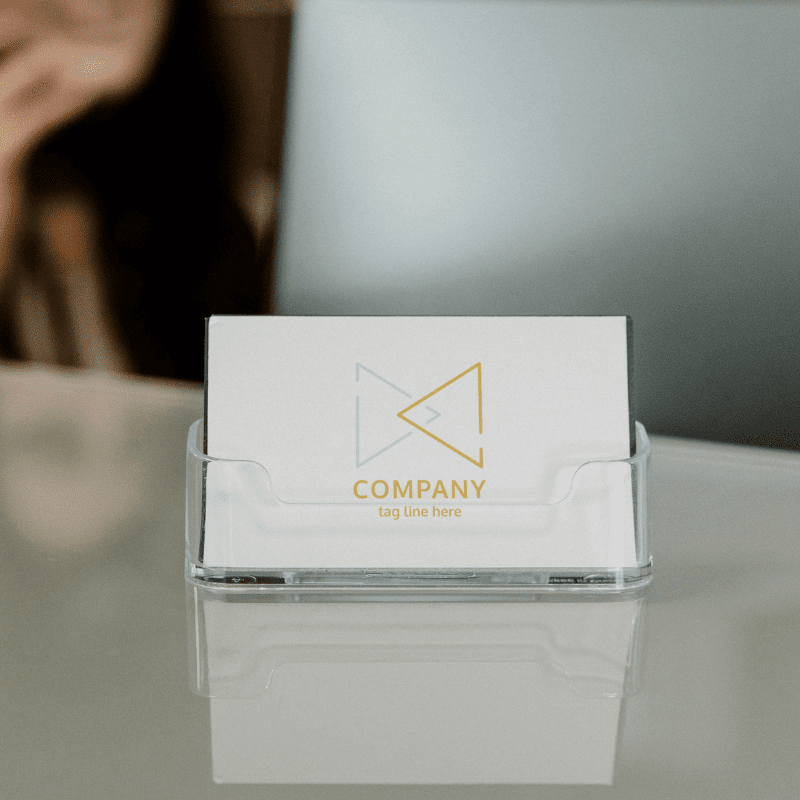
Gloss Finish: Bold Color and High Contrast
Gloss can make colors pop. If your design is image-heavy, uses rich, saturated colors, or you want a more vibrant look, gloss can be a strong option. The trade-off is glare and fingerprints, so if you’re using a QR code, we’ll want to make sure it still scans easily under different lighting.
Soft-Touch: Premium Without Screaming for Attention
Soft-touch finishes feel velvety and high-end. They’re a great fit for brands that want to feel premium, stylish, or elevated without going metallic or glossy. If you want someone to pause and think, “Okay, this is nice,” soft-touch does that.
Spot UV and Specialty Effects: Use Them Like Seasoning
Spot UV (a glossy coating on specific areas) can highlight a logo or key detail beautifully. The key is restraint. If everything is “special,” nothing is. A small, strategic pop can make a card memorable without turning it into a novelty item.
Adding Scannable QR Codes Without Ruining the Design
QR codes are only valuable if they scan quickly and lead to something useful. That’s why the design of them matters, but so does the destination.
What Should Your QR Code Link To?
A QR code should reduce steps, not add them. Good destinations include:
- A contact card save link (vCard)
- A booking page
- A quote request page
- A product page for your best seller
- A portfolio gallery
- A link-in-bio style page with clear options
Your homepage is rarely the best choice unless it’s built to guide new visitors immediately.
Make It Easy to Scan
A scannable QR code needs:
- Enough size to scan quickly
- Strong contrast
- Clean “quiet space” around it (don’t crowd it with text or graphics)
- A destination that loads fast on mobile
If someone has to try three times, they won’t try a fourth.
Add a Short Line of Direction
A QR code with no context can feel random. Add a simple instruction:
- “Scan to book”
- “Scan for pricing”
- “Scan for examples”
- “Scan to save my contact”
That one line increases the likelihood that someone sees it and then uses it.
Consider a Dynamic QR Code
If you want to update the link later without reprinting cards, ask about dynamic QR options. It’s not necessary for everyone, but it’s a smart move if you expect to change booking links, promotions, or landing pages.
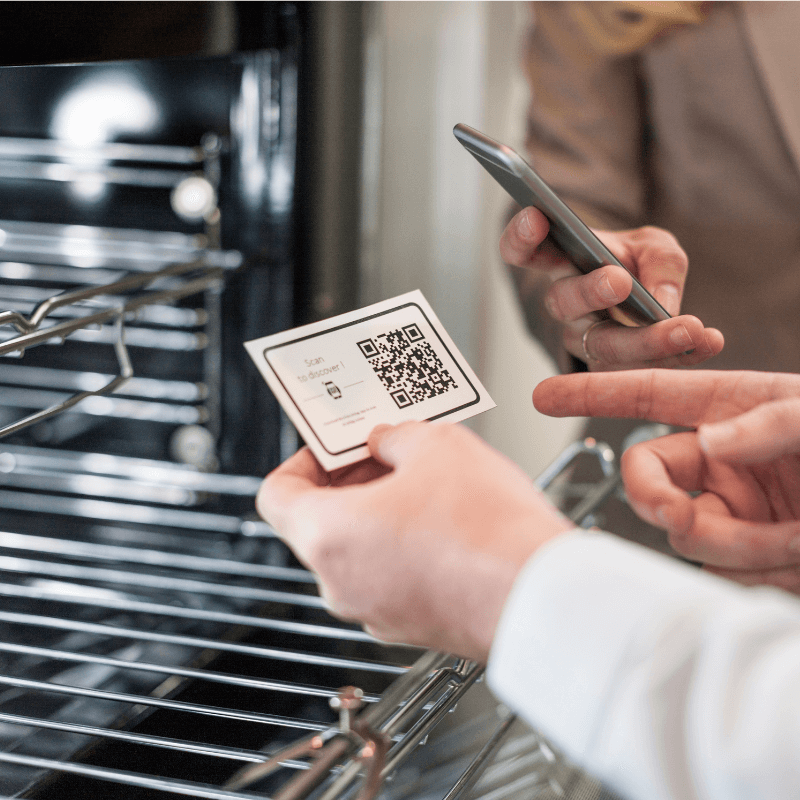
A Simple Formula for a Card People Keep
If you’re trying to make choices without spiraling into option overload, here’s the simplest way to approach it: Make the card easy to store. Make it easy to read. Make it feel like your brand. Then give people a next step.
A strong business card usually includes:
- Your name and role
- One main contact method
- One clear call-to-action (often the QR code)
A design that feels aligned with your brand, not copied from a template
You don’t need your entire life story on 3.5 inches of paper. You need clarity.
Common Mistakes to Avoid
The mistakes we see most often are simple:
- Cards with text that’s too small.
- Cards that look cool but don’t clearly say what the person does.
- QR codes that go nowhere are helpful.
- Finishes that create glare on important details.
- Too many contact options that overwhelm instead of guiding.
A business card shouldn’t make people think. It should make it easy for them to act.
Don’t Just Hand It Out—Hand Them a Next Step
A business card is still one of the most practical marketing tools you can carry. When it’s designed well and printed with intention, it doesn’t just share contact info; it starts relationships and opens doors.
If you’re ready to create business cards that actually feel like you, Davant Indy can help you choose the right size, stock, finish, and a QR code that scans easily so your card gets used—not tossed. If you’re in Greenfield & Central Indiana, contact us today, and we’ll help you build a card that leaves the right impression.